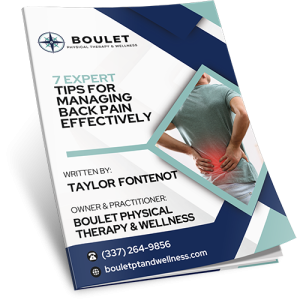
How Poor Posture Can Lead to Back Pain


Back pain affects millions of people worldwide, often stemming from factors we encounter every day, like posture. Whether it’s slumping at a desk, hunching over a phone, or standing without proper alignment, poor posture contributes significantly to back pain. Understanding the connection between posture and back pain can help you build better habits for a healthier back. Here’s how you can break the cycle of discomfort and keep your spine in shape.
The Slump Trap – How Poor Posture Strains Your Spine
When we let our shoulders round and slump forward, we create excessive strain on the spine. The spine naturally has gentle curves, which act as shock absorbers and distribute pressure evenly. Poor posture disrupts this balance, adding stress to the spinal discs, muscles, and ligaments, especially in the upper and lower back.
Slouching leads to excessive flexion of the lumbar spine, increasing the risk of disc compression and contributing to conditions like disc herniation. Additionally, the neck and upper back muscles work harder to support the head, which shifts forward with poor posture. Over time, these compensations can lead to muscle fatigue, tightness, and chronic pain. Correcting posture helps maintain a healthy spine alignment, reducing pressure on sensitive areas and preventing the strain that results in back pain.
Sitting Pretty – Why Desk Posture Matters for Back Health
For many people, sitting occupies a large part of the day, whether at work, studying, or relaxing. When seated with poor posture—slouching, leaning forward, or craning the neck—the body is subjected to prolonged stress. Poor desk posture weakens core and back muscles, leading to imbalances that increase the risk of pain and injury.
When sitting for extended periods, proper posture involves sitting with feet flat on the floor, back aligned with the chair, and shoulders relaxed. Keeping the computer screen at eye level also prevents forward head posture, reducing tension on the neck and upper back. Frequent breaks to stand, stretch, and walk help reduce strain on the spine. Improving desk posture doesn’t just prevent pain; it also helps build core strength and muscle endurance, supporting a healthy, pain-free back.
Standing Tall – The Importance of Everyday Postural Awareness
Maintaining good posture while standing might seem simple, but small deviations—like shifting weight onto one leg or tilting the pelvis forward—can strain the spine. Misalignment in standing posture often results in an exaggerated lumbar curve or uneven weight distribution, which places additional load on the lower back. This can lead to stiffness and fatigue and even contribute to joint degeneration over time.
Standing with proper alignment helps balance the load on the spine. Imagine a straight line running from your head down to your heels, with your shoulders, hips, and knees in line. This position reduces stress on spinal structures, improves circulation, and encourages muscle balance. Making an effort to stand with good posture, especially during activities like cooking, talking, or waiting in line, helps alleviate existing discomfort and protects against future pain.
Back-Friendly Habits To Improve Your Posture and Back Pain at Boulet Physical Therapy and Wellness in Lafayette, LA
Poor posture is a common but preventable cause of back pain. By understanding the link between posture and back pain, you can adopt simple habits to support a healthier, more comfortable spine. Small changes—like sitting up straight, taking breaks from prolonged sitting, and standing in alignment—make a significant difference over time. At Boulet Physical Therapy and Wellness, our team is here to guide you in developing posture-friendly habits for a stronger back. Contact us to start building a back-friendly lifestyle that keeps you feeling your best!