
Gait Disorders After Hip Replacement: What You Need to Know
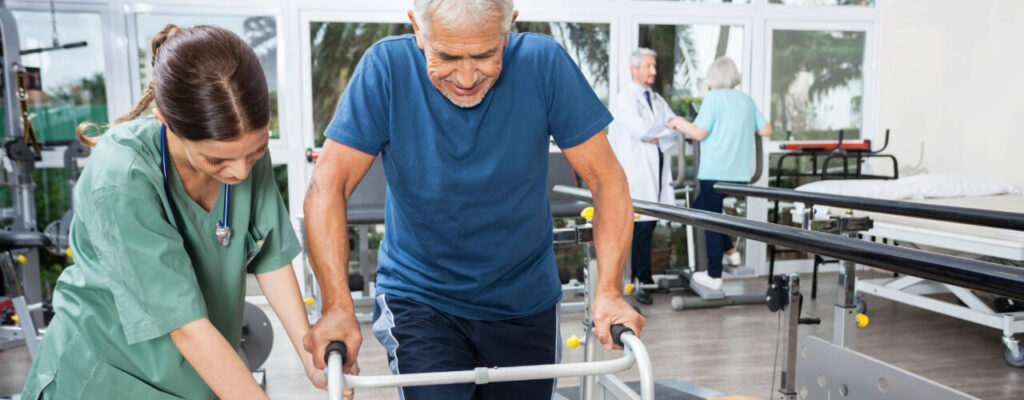

Hip replacement surgery can restore mobility and provide lasting relief from pain, but some people experience gait disorders after the procedure. Difficulty walking or feeling unsteady can hinder your recovery and make daily activities challenging. Physical therapy offers a targeted approach to address gait disorders after hip replacement, helping you regain strength, balance, and confidence.
Although hip replacement surgery is designed to improve mobility, the healing process can affect how you walk. After surgery, the muscles around the hip weaken due to reduced movement or swelling, which can impact your walking patterns. The surgery can also alter how your hip joint moves, creating new movement patterns that you may need time to adjust to.
Fortunately, the team at Boulet Physical Therapy and Wellness understands these factors–and, more importantly, what to do to address them! If you’re experiencing gait disorders after hip replacement, we’ll work with you to create a targeted rehabilitation program to restore your walking patterns.
Keep reading to learn how we do it!
Understanding Your Unique Gait Challenges
To ensure you receive the best care possible, we’ll always begin with a comprehensive evaluation to help us understand your specific needs. From there, we can create a tailored plan that addresses your unique gait challenges, helping you achieve a smoother, more confident stride.
Here’s What We Look at (and Why):
Gait
- Of course, we’ll want to observe your walking patterns! This allows us to pinpoint areas of weakness or imbalance contributing to gait issues. However, gait isn’t the only thing we take into consideration.
Range of Motion
- Limited mobility in the hip joint or surrounding muscles can restrict movement and make it harder for you to walk.
Strength
- Weakness in the hip, leg, or core muscles can impact stability and walking ability, worsening any problems in your gait.
Balance
- Gait disorders often impact your balance and stability, dramatically increasing your fall risk.
How We Address Gait Disorders After Hip Replacement
We address gait issues using several techniques and approaches depending on your needs, including the following:
Pain Management
- The initial recovery after hip replacement surgery can be painful, impacting your gait and making it difficult to perform prescribed exercises. We offer several all-natural pain management options, including manual therapy techniques, treatment modalities, and more. Alleviating your acute pain is the first step to finding lasting relief.
Mobility Exercises
- In the initial stages of your rehabilitation, we’ll focus on improving your hip’s range of motion and overall mobility, which will allow you to move more easily.
Strengthening Exercises
- As you improve, we’ll work on strengthening the muscles that surround the hip, including your glutes, quads, and core muscles. A strong core and lower body provide additional support and stability to the hip joint, alleviating pain and helping improve your biomechanics.
Balance and Proprioception Training
- Proprioception refers to your body’s awareness of itself in space, and it is essential for improving your overall balance and stability. We’ll guide you through targeted drills to help you stay steady on your new hip.
Gait Training
- We’ll guide you through specific walking techniques to help correct abnormal movement patterns and allow for a more natural gait.
Functional Training
- In addition to targeted gait training, we’ll also help you practice daily movements, such as standing from a seated position or climbing stairs. This helps build confidence and improve your gait in real-life situations.
Call Us Today To Learn More!
If you’re dealing with gait disorders after hip replacement, physical therapy can provide a structured path to recovery.
At Boulet Physical Therapy and Wellness, our experienced therapists are here to help you regain strength, improve your walking ability, and restore your independence. Contact us today and start your journey toward a stronger, more stable gait!