
IT Band Syndrome: Treating Knee Pain in Athletes
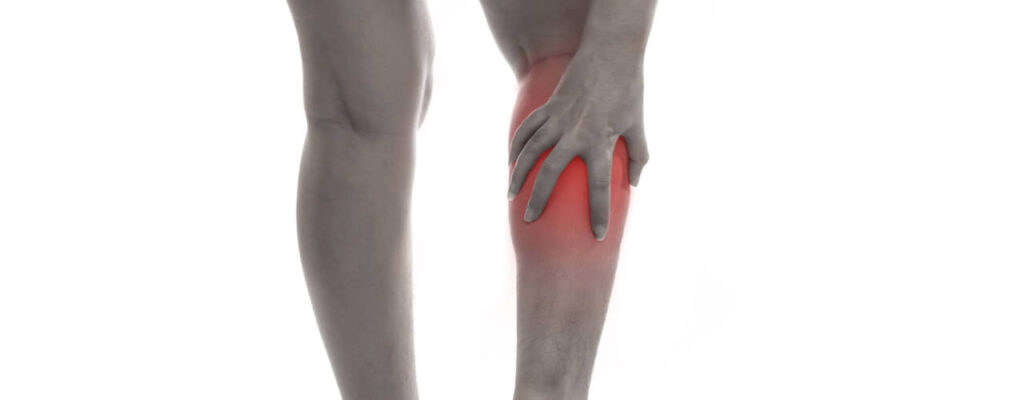

For Kevin (not his real name), a dedicated runner training for his next marathon, knee pain started as a mild annoyance. But over time, the discomfort worsened, ultimately sidelining him from training. Frustrated by his limited mobility and eager to find a solution, Kevin visited Boulet Physical Therapy and Wellness, where he was diagnosed with IT band syndrome. This common injury in athletes is characterized by pain along the outside of the knee, often caused by repetitive movements like running or cycling. Through targeted physical therapy, Kevin learned that addressing IT band syndrome in athletes requires a structured approach that combines pain relief, mobility work, and strengthening exercises.
Getting to the Root – Why IT Band Pain Happens
IT band syndrome in athletes occurs when the iliotibial (IT) band—a thick band of connective tissue running from the hip to the knee—becomes tight or irritated. For runners like Kevin, repetitive strain from activities involving forward motion, like running or biking, places stress on the IT band. Every time the knee bends and straightens, the IT band moves over the knee joint, which, when irritated, can result in inflammation and pain on the outer side of the knee.
Kevin’s physical therapist began by evaluating his running form and movement mechanics, as IT band pain is often linked to muscle imbalances or improper alignment. Tightness in the hip or thigh muscles, combined with weakness in stabilizing muscles like the glutes or core, can create excessive tension along the IT band. By identifying these factors, Kevin’s therapist was able to customize a treatment plan that addressed the specific issues contributing to his knee pain.
Guided Therapy for Recovery and Pain Relief
Kevin’s physical therapist began with gentle, hands-on techniques to alleviate pain and improve mobility. Manual therapy focused on soft tissue work to relieve tension in the muscles surrounding the IT band. This approach helps improve blood flow, release tightness, and reduce the irritation that often aggravates IT band syndrome.
Another key component of Kevin’s recovery plan was controlled stretching. While flexibility work doesn’t directly lengthen the IT band, it does reduce tension in the surrounding muscles, like the glutes, quads, and hamstrings, which can indirectly relieve strain. These stretches focused on lengthening and loosening the muscles contributing to IT band tightness, helping Kevin experience less pain and greater range of motion.
Building Strength to Support the IT Band at Boulet Physical Therapy and Wellness in Lafayette, LA
After addressing immediate pain, Kevin’s therapist shifted the focus to strength training, which is essential for reducing the risk of future IT band issues. Weakness in the hip and glute muscles often leads to instability, causing excessive strain on the IT band during activities like running. By strengthening these muscles, Kevin could improve alignment, reducing the stress placed on his knee and lower leg.
Kevin’s program involved targeted exercises for the glutes, hip abductors, and core muscles, which all contribute to stable movement. These exercises helped reinforce proper mechanics, ensuring his hips stayed level and his knees aligned, which reduced strain on the IT band. His therapist emphasized gradual progress, starting with controlled movements and gradually increasing intensity to avoid re-aggravating the injury.
In addition to strength exercises, Kevin’s therapist included balance and stability training to improve his overall body control. Working on stability helped reinforce the new movement patterns, allowing Kevin to run more efficiently without placing excessive force on the IT band.
Moving Forward with a Customized IT Band Syndrome in Athletes Recovery Plan
After several sessions of dedicated therapy, Kevin’s knee pain began to fade. With his therapist’s guidance, he could resume running, initially at a slower pace and shorter distance, before gradually increasing his mileage. By incorporating balance, strength, and mobility work, Kevin built a stable foundation that supported his running goals and reduced the risk of re-injury.
Contact us today to start your program to resolve IT band syndrome in athletes and get back to doing what you love!