Preventing Sports Injuries and Enhancing Performance with Ergonomics
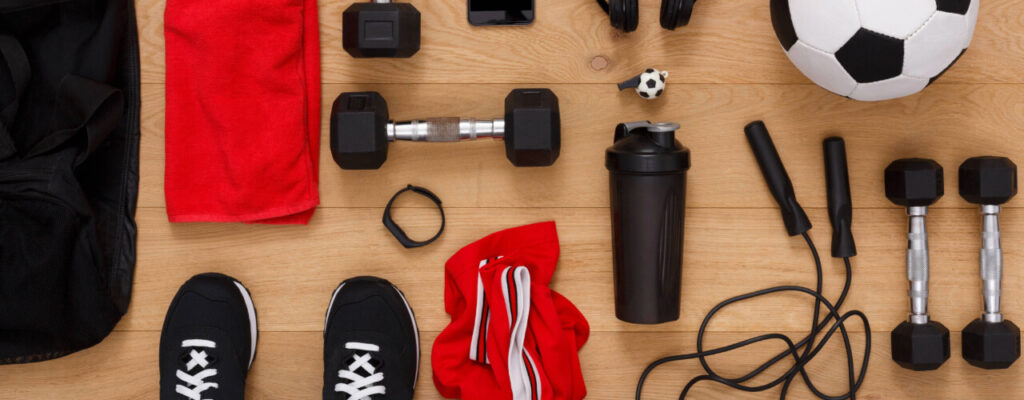

Preventing sports injuries with ergonomics is essential for athletes to optimize performance and minimize injury risks. Sports injuries result in approximately 8.6 million visits to healthcare professionals annually in the United States alone. Ergonomics focuses on optimizing the interaction between people, equipment, and their environment, which is crucial for preventing injuries.
Understanding Sports Injuries and Their Causes
Sports injuries range from acute strains and sprains to more severe fractures and dislocations. These injuries not only affect an athlete’s performance but also their overall well-being. Recognizing the signs early can help athletes take proactive measures to prevent long-term consequences.
Signs of a Sports Injury
Pain
- Persistent or acute pain localized to the affected area.
Swelling
- Visible swelling or inflammation around the injured site.
Limited Range of Motion
- Difficulty moving the injured area.
Instability
- The feeling of joint instability or weakness during movement.
Bruising
- Discoloration around the injury site due to ruptured blood vessels.
Redness
- Increased redness in the injured area, indicating inflammation.
Tenderness
- Increased sensitivity or pain when touching the injured area.
Common Causes of Sports Injury
Overuse
- Repeated stress on a particular part of the body without adequate rest can lead to microtrauma and tissue breakdown. For instance, runners may develop shin splints due to repetitive impact.
Trauma
- Direct impact or collision with another object or person causes sudden forceful injury. This trauma can result in fractures, concussions, or muscle strains.
Improper Equipment
- Ill-fitting or defective sports equipment increases injury risk. Examples include poorly fitting helmets in contact sports.
Poor Technique
- Incorrect form or inadequate training techniques can strain muscles, joints, and ligaments. Athletes performing weightlifting exercises with improper form may experience back or shoulder injuries.
Preventing Sports Injuries with Ergonomics
Ergonomics, often associated with workplace efficiency, is equally relevant in sports settings where proper alignment, technique, and equipment use are paramount. Preventing sports injuries with ergonomics is a proactive approach that helps avoid common injuries and boosts athletic efficiency.
Overview of Ergonomics in Sports
Ergonomics focuses on adapting the environment and equipment to fit the athlete’s body mechanics and physiological capabilities. This approach minimizes physical strain and maximizes efficiency and effectiveness during training and competition.
Benefits of Ergonomics for Athletes
Enhanced Performance
- Proper alignment and efficient movement patterns improve performance metrics such as speed, agility, and endurance.
Injury Prevention
- By reducing excessive strain on muscles and joints, ergonomics lowers the likelihood of overuse injuries like tendonitis and stress fractures.
Faster Recovery
- Optimal ergonomic setups facilitate quicker recovery times between training sessions or competitions, promoting overall longevity in sports careers.
Customization
- Tailoring equipment and techniques to individual athletes’ needs ensures optimal comfort and effectiveness, minimizing discomfort and potential injury risks.
Ergonomic Strategies and Techniques
Equipment Adjustment
- Ensuring proper fit and function of sports gear, including footwear, protective padding, and specialized equipment tailored to the athlete’s body size and playing style.
Technique Refinement
- Coaching and training programs that emphasize correct body mechanics and movement patterns, reducing stress on vulnerable joints and muscles.
Environment Optimization
- Modifying training environments to promote safety and efficiency, such as ensuring appropriate lighting, stable flooring, and adequate activity space.
Recovery Protocols
- Integrating ergonomic principles into recovery routines, including stretching exercises, massage therapy, and ergonomic seating arrangements to support post-exercise recovery.
Enhance Your Performance and Prevent Injuries with Boulet Physical Therapy and Wellness
Ergonomics empowers athletes to perform at their peak by promoting efficient movement patterns, minimizing strain on muscles and joints, and accelerating recovery times. Whether a professional athlete or a weekend warrior, understanding and applying ergonomic strategies can make a substantial difference in your overall well-being and athletic success.