

What’s Causing My Elbow and Wrist Pain — And How Can Physical Therapy Help?
Remember the last time you accidentally slammed your funny bone? That sharp, radiating pain is deeply unpleasant. Fortunately, it usually only lasts a few moments. But what happens when that pain lingers? If you’re dealing with pain in your elbow, forearm, or wrist, Boulet Physical Therapy is here to help!
Wrist and elbow pain can have several potential causes, especially if you participate in golf or racket sports like tennis and pickleball. That said, you don’t have to give up your time on the golf course or tennis court! Our team of physical therapists will help you get to the bottom of your elbow pain and help you find a way to resolve that pain for good.
Call us to schedule an appointment and get started today.


Our Patients Get Great Results
“My experience with Boulet Physical Therapy was very positive, beginning even before my first appointment (Christine was so helpful & informative regarding approval & scheduling). The entire team is so pleasant & knowledgeable, providing a “family” atmosphere. I do want to give special thanks to my primary therapist, Dr. Kyle Buvens, who treated my shoulder injury. Through 6 months of therapy, he helped me to go from very limited movement (& much pain) to now having the ability to accomplish most of the activities I need & want to do with minimal pain. He is very professional, but also caring & informative. I especially appreciated the way he handled my many questions – I asked & he patiently educated! He also provided me with home exercises so I can continue to strengthen & improve on my own.” – D.M.
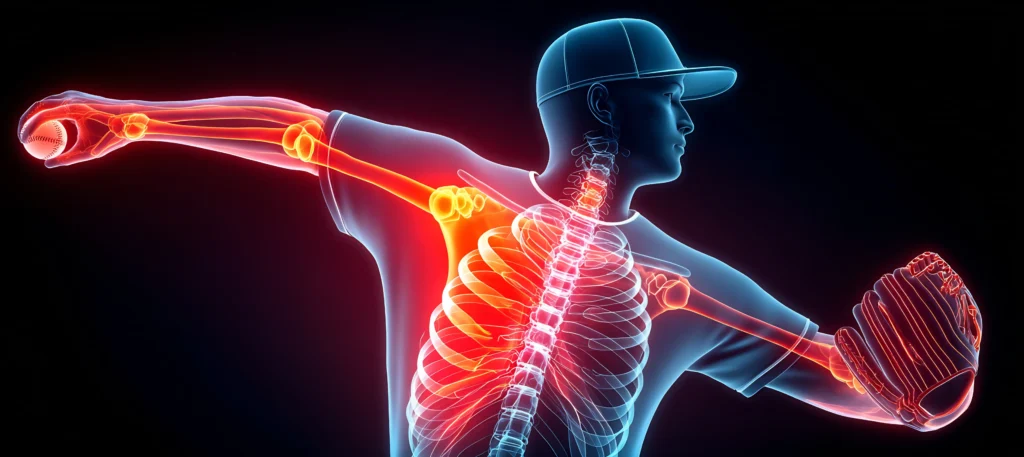
A Closer Look at the Causes of Wrist and Elbow Pain
When you come in for your appointment, the first thing we’ll do is carefully review your symptoms and run a few simple movement screens to help pinpoint the cause of your pain. We’ve found that elbow and wrist pain are frequent complaints among people who play golf, tennis, or pickleball, but determining the exact cause does require a little detective work. Often, multiple factors are involved.
Why The Wrist and Elbow Are At Risk
- Repetitive Use: Goff and racket sports both require you to repeatedly perform swinging motions, which work the same muscle groups repeatedly, causing stress on the muscles, tendons, and ligaments.
- Poor Mechanics: In addition, improper swinging technique further increases pressure on the forearm and wrist tendons and increases the risk of injury.
- Overtraining: If you’re an avid golfer or pickleball player, you may be at risk of overtraining–that is, not allowing enough recovery time between sessions. This can lead to cumulative damage over time.
- Grip Strain: Finally, holding rackets or paddles too tightly puts extra stress on small stabilizing muscles in your hand and wrist.
Common Injuries To Watch Out For
Most of the injuries we see among golfers, tennis players, and pickleballers are overuse injuries, meaning they gradually develop over time. Symptoms will be minor at first and progressively worsen if you don’t seek treatment. Some of the injuries we tend to see include:
- Tennis elbow, which is caused by overuse of the forearm muscles. You’ll experience pain on the outer elbow. Not just tennis players get it!
- Golfer’s elbow, which is similar to tennis elbow but affects the inner part of the elbow. Similarly, you don’t have to be a golfer to get it, as it’s actually common in pickleball players, too.
- Wrist tendinitis, an inflammation of wrist tendons from repeated swinging motions.
What Physical Therapy Can Do to Help Ease Your Wrist and Elbow Pain
Once our therapist has determined the source of your pain, we’ll develop a customized treatment program to help you find relief. The good news is that physical therapy alone can generally resolve injuries from golf, pickleball, and tennis. Here are a few of the techniques we might incorporate into your program:
- Manual Therapy: Manual therapy techniques help reduce pain and restore mobility restrictions. We might guide the joint through its current range of motion, manipulate your soft tissue, or try other techniques.
- Laser Therapy: This advanced technique uses low-level light waves to boost your body’s natural healing processes, helping to reduce pain and improve any mobility restrictions.
- Therapeutic Exercises: We’ll create a targeted, progressive exercise program to ease your symptoms. We’ll start with gentle stretches and mobility work, then move on to strengthening exercises to help support and stabilize the impacted joint.
- Braces and Splints: Some conditions might benefit from a brace or splint, which temporarily immobilizes the joint as you work on treatment. We’ll let you know if it’s a good choice and help you find the right device to suit your needs.
- Injury Prevention and Return to Sport: We’ll let you know what you can do to prevent future injuries, such as correcting improper biomechanics and setting you up with a cross-training program. We’ll also help you safely return to your chosen sport with a progressive return-to-sport schedule.
Let’s Get to the Root of Your Wrist or Elbow Pain!
Pain in the wrist or elbow can seriously impact your quality of life, making it difficult to perform day-to-day movements like brushing your teeth or preparing a meal–much less head back out to the golf course or pickleball court! However, the team at Boulet Physical Therapy will help you get to the bottom of your pain to find lasting relief. Call us to schedule your initial appointment today!
Tips for A Safe & Healthy 4th
As we prepare for the 4th of July celebrations, here are key tips to ensure a joyful and healthy Independence Day:
- Healthy Grilling: Opt for healthier grilling choices. Lean meats, fish, and a variety of vegetables can make your barbecue both delicious and nutritious.
- Sun Safety: Apply sunscreen, wear protective clothing, and seek shade to prevent sunburn.
- Fireworks Caution: Set off fireworks in a clear, open space away from buildings, vehicles, and vegetation. Always keep a safe distance and remember to have a bucket of water, a garden hose, or a fire extinguisher nearby.
Enjoy the 4th while keeping your well-being at the forefront. We wish you a safe and happy Independence Day!
Nerve Glides: Simple Exercises to Ease Nerve Discomfort
If your elbow, wrist, or hand pain stems from a nerve disorder (like carpal tunnel or cubital tunnel syndromes), you might benefit from nerve glide exercises. These simple mobilization techniques stretch the nerves and encourage them to follow the natural movement of your joint.
Your arm contains three major nerves, and the Boulet physical therapists have a nerve mobilization exercise for each. Try them out at home–but stop if you feel any pain. And if you want to learn more about nerve gliding exercises, schedule an appointment with us today!
Median Nerve Glide
- Stand up straight and place one arm by your side, the palm facing up. Slowly bend your wrist back so your fingers move toward the floor, and you feel a stretch in the front of your wrist and palm.
- Next, tilt your head away from your arm. Imagine your arm, neck, and head forming a diagonal line.
- Hold for a few seconds before returning to the starting position and repeating on the other side.
Ulnar Nerve Glide
- Stand up straight and hold your arm so that it forms a 90-degree angle with your palm turned away from your body. Turn your head to look at the back of your hand.
- Next, bend your wrist so your fingers point toward your face. Then, slowly move your hand and head so that you can touch your palm to the side of your face.
- Repeat the movement a few times, then move to the other side.
Radial Nerve Guide
- Stand straight with your arm at your side, palm facing to the back. Bend your wrist so your palm faces the ceiling.
- Holding your hand in that position with your arm straight, raise the arm until you feel a pull in your arm. How high you can go will vary from person to person.
- Tilt your head away from your arm, then toward your arm, moving slowly.
- Repeat a few times, then move to the other side.
Not Sure if Physical Therapy is Right for You?
Ask about our Discovery Screen—a free 10–15 minute consultation with one of our physical therapists. We’ll assess your condition and help determine if physical therapy is the right fit. If not, we’ll guide you in the right direction and connect you with someone who can help.
Recipe of the Month: Rosemary Citrus One Pan Baked Salmon

Ingredients:
- ⅓ cup olive oil
- 1 small orange (2 Tablespoons juice of orange plus thinly sliced orange slices)
- 1 Tablespoon lemon juice
- ½ teaspoon garlic, minced
- ¼ teaspoon orange zest (grated orange peel from orange)
- 2 Tablespoons fresh rosemary, plus extra to garnish (1 tsp dried rosemary may be substituted)
- 2–3 teaspoons honey
- 10–12 ounces sockeye salmon (whole fillet or three 4 ounces fillets)
- Pinch of sea salt
- Optional – thinly sliced orange or lemon
- Optional- 2 cups chopped/sliced veggies of choice (i.e broccoli, asparagus, green beans, etc.)
- Additional seasoning of choice or salt and pepper to taste
Instructions:
- Whisk together the olive oil, orange juice, lemon juice, garlic, orange zest, 2 tablespoons rosemary, and optional honey. Set the mixture aside.
- Grease or oil a large baking dish. Place the salmon in the baking dish, skin side down. Season the salmon with a pinch of salt.
- Preheat the oven to 400 degrees Fahrenheit.
- Brush the orange rosemary on top of the salmon, and place the salmon in the fridge to marinate for 5-10 minutes while the oven preheats.
- After 5-10 minutes, add thin orange slices on top of the salmon (optional), and toss veggies of choice with the reserved marinade or 2 teaspoons of olive oil, lemon juice, or seasoning of choice.
- Place the tossed veggies (if using) around the salmon in the pan.
- Place the baking dish in the oven for 12-15 minutes or until the salmon is no longer opaque in the middle and the vegetables are cooked through.
- Let the salmon rest for 3 minutes before serving.
- Add additional salt and pepper to taste.
Sources
- https://www.physio-pedia.com/Physiotherapy_Management_of_the_Elbow,
- https://www.ncbi.nlm.nih.gov/books/NBK532948,
- https://physio-pedia.com/Carpal_Tunnel_Syndrome
- https://www.physio-pedia.com/Neurodynamic_Treatment
- https://www.cottercrunch.com/rosemary-citrus-one-pan-baked-salmon/#tasty-recipes-43144