

Stop It Before It Starts: Simple Tips to Prevent Shoulder Pain
If you’ve ever suffered a shoulder injury, then you know how debilitating it can be. Not only are you experiencing persistent pain, but most shoulder injuries also restrict the range of motion in the joint, making day-to-day tasks — from grabbing a cup off the high shelf to brushing your hair — feel nearly impossible.
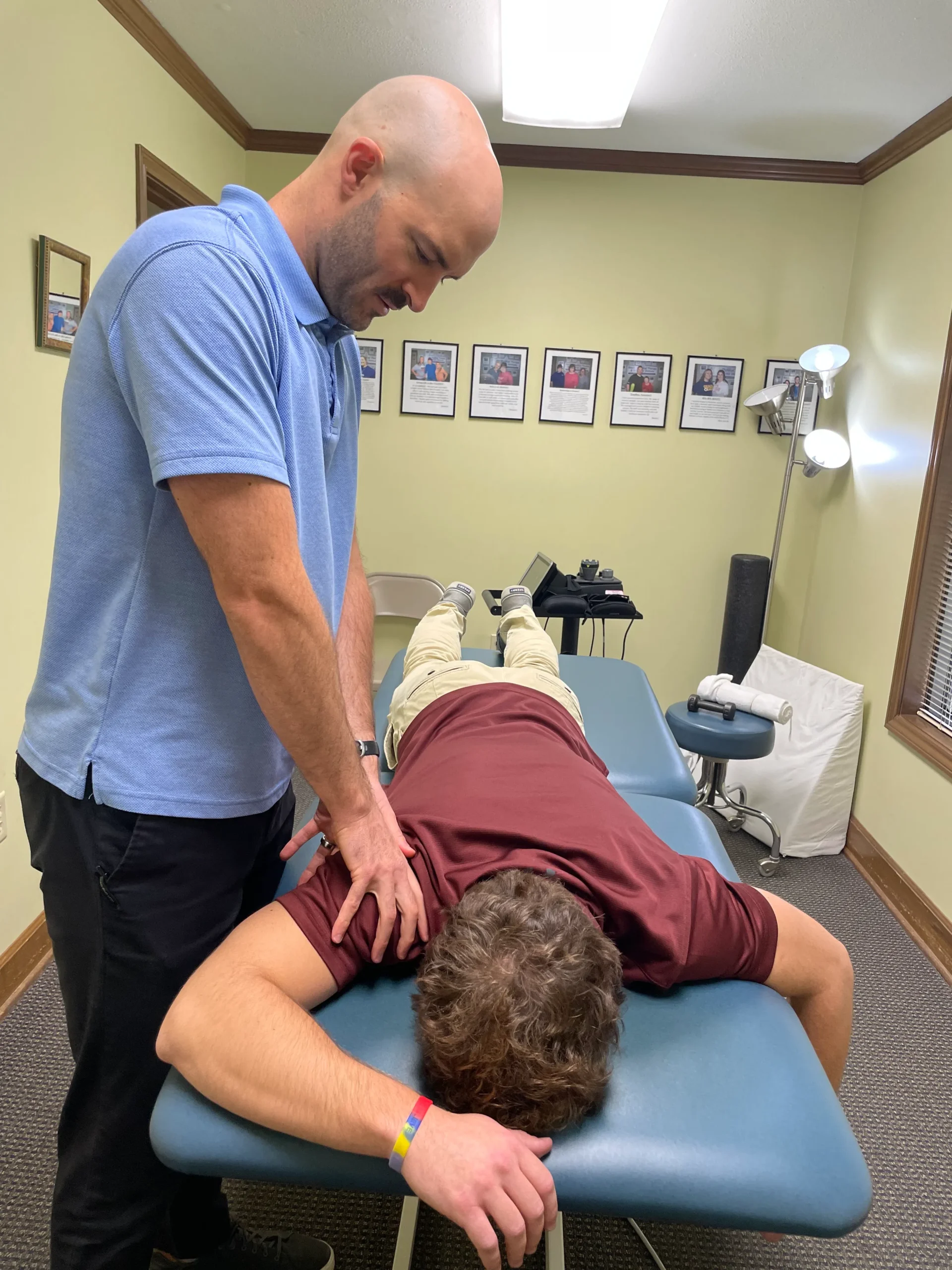
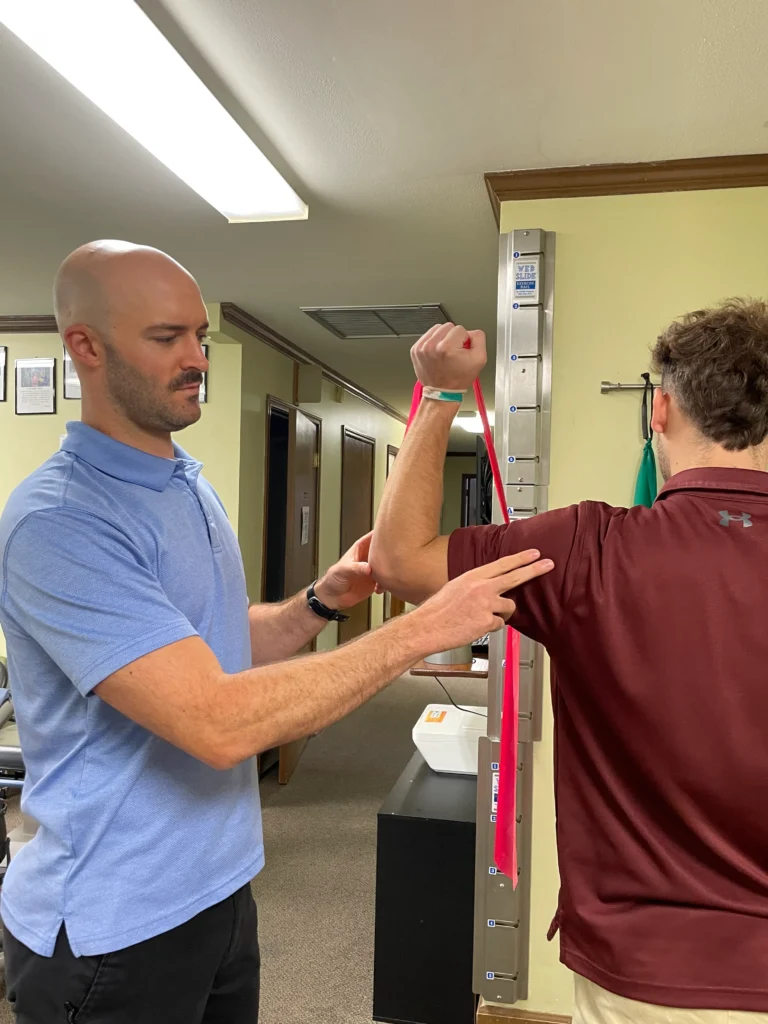
At Boulet Physical Therapy and Wellness, our team of physical therapists will work with you to identify and resolve the underlying causes of your shoulder pain. We offer acute pain relief and can guide you through complete shoulder rehabilitation regardless of whether or not you require surgery, and often, you can resolve a shoulder injury with physical therapy alone! But that process can take a while, and we want to help you avoid shoulder injuries, too. While we do incorporate injury prevention information into our rehab programs, it’s never a bad time to start incorporating small changes into your routine that can help prevent shoulder pain.
If you’d like to learn more about how we help prevent and alleviate shoulder pain, call us to schedule an appointment today!
Our Patients Get Great Results
“Since I first started playing Cajun music, I never learned proper posture and from this, had bad shoulder pains from time to time over the past 9 years. I was finally able to find a physical therapist and heard great things about Boulet Physical Therapy. When I went, the staff were extremely friendly and helpful. Kyle, my PT, was so helpful and over the course of my time there, my shoulder is back to normal like I never had the pain before. I 100% recommend this practice to anyone, especially musicians! Thank you so much Boulet Physical Therapy and Wellness!” – Cameron
Have You Met Your Deductible?
As 2025 winds down, now is the perfect time to check your insurance deductible status. If you’ve already met your deductible—or are close—you could save significantly on physical therapy sessions before your benefits reset in January.
At Boulet Physical Therapy, we’re here to help you take advantage of every benefit you’ve earned. Whether you’re dealing with lingering pain, recovering from an injury, or just want to move and feel better heading into the new year, we’ve got your back.
Don’t wait—appointments fill quickly this time of year!
Book your PT evaluation or follow-up sessions today and finish 2025 stronger, healthier, and pain-free.
What Causes Shoulder Pain and Injury, Anyway?
Your shoulder is an incredibly complex ball-and-socket joint with several moving parts, including:
- Three separate bones: the humerus (arm bone), scapula (shoulder blade), and clavicle (collarbone)
- Cartilage that wraps and protects these bones from rubbing against each other
- The three main ligaments that connect your shoulder’s bones
- A collection of muscles and tendons known as the rotator cuff that wrap and support the shoulder joint
- Bursae: small fluid-filled sacs that protect your tendons
Damaging any of these structures can lead to shoulder pain, weakness, and immobility. Some people injure their shoulders through sudden, acute injuries, especially if they’re active — a hard fall on the football field could tear their rotator cuff or dislocate the arm bone out of their shoulder socket. Some common causes of pain are:
- Sprains: Injuries to the shoulder ligaments — the strong, fibrous tissues that connect bones. A shoulder sprain occurs when the ligaments that support the shoulder are stretched or torn, often due to a fall, a sudden twist, or a direct impact.
- Arthritis: Age-related changes in the joints, such as thinning cartilage and reduced joint mobility, can lead to stiffness, discomfort, and irritation in the affected joints and surrounding muscles.
- Rotator Cuff Pain: Four small muscles and their tendons form the rotator cuff and stabilize the shoulder joint. Conditions that affect them range from mild irritation to more severe injuries.
- General Stiffness: Tightness in the chest and upper back can pull the shoulders into a forward, slouched position, increasing the likelihood of irritation and discomfort.
- Overuse: Repetitive or physically demanding activities may lead to tendonitis (inflammation of the tendon). Overuse can also flare up old injuries, especially after a sudden increase in activity.
- Underuse: “If you don’t use it, you lose it.” Joints and muscles stay healthier with regular movement and conditioning, just like the rest of the body.

5 Ways You Can Help Prevent Shoulder Pain
- Strengthen your upper body: Strong upper back and shoulder muscles are better able to provide the shoulder joint with the support and stability it needs, meaning you’ll be less likely to suffer an injury. Not sure how to get started? Our PTs can walk you through some appropriate exercises.
- Keep your mobility: We can show you simple range of motion exercises that will get the blood flowing to your joints, keeping them healthy. Reaching overhead, across your body, or behind your back are all basic stretches that can do wonders — just make sure you never force a movement!
- Don’t forget to warm up first: Many popular recreational activities put you at risk for a shoulder injury, including swimming, pickleball, and tennis. It’s crucial that you warm up your shoulder before you dive in. Try some quick cardio paired with active shoulder stretches (like arm circles).
- Maintain proper posture: Proper posture isn’t about standing up straight all the time; it’s about maintaining postural awareness and keeping your spine in alignment no matter what you’re doing. Avoid slumping with forward head and shoulders. And if you have a sedentary job, move around regularly. Both habits will help keep your upper back and shoulders strong.
- Pay attention to ergonomics: If your workspace isn’t shoulder-friendly, you might wind up with an overuse injury. Simple changes — like adjusting the height of your computer monitor or maintaining good posture when using hand tools — will reduce repetitive stress and lower your chances of developing shoulder pain.
Conclusion: A Testament to the Power of Physical Therapy
The Boulet Physical Therapy and Wellness physical therapists can help you prevent shoulder injuries as easily as we can treat them! Whether you’re looking for a shoulder stretch and strengthen routine, postural corrections, or some simple ergonomic adjustments, we’re here for you. Call us today to get started!
What if I have pain right now or recently had surgery?
Conditions We Treat:
- Neck & Back Pain
- Shoulder & Rotator Cuff Injuries
- Tennis Elbow
- Hip & Knee Pain
- Foot & Ankle Conditions
- Orthopedic Surgical Recovery
- Balance & Vestibular Disorders
How We Treat:
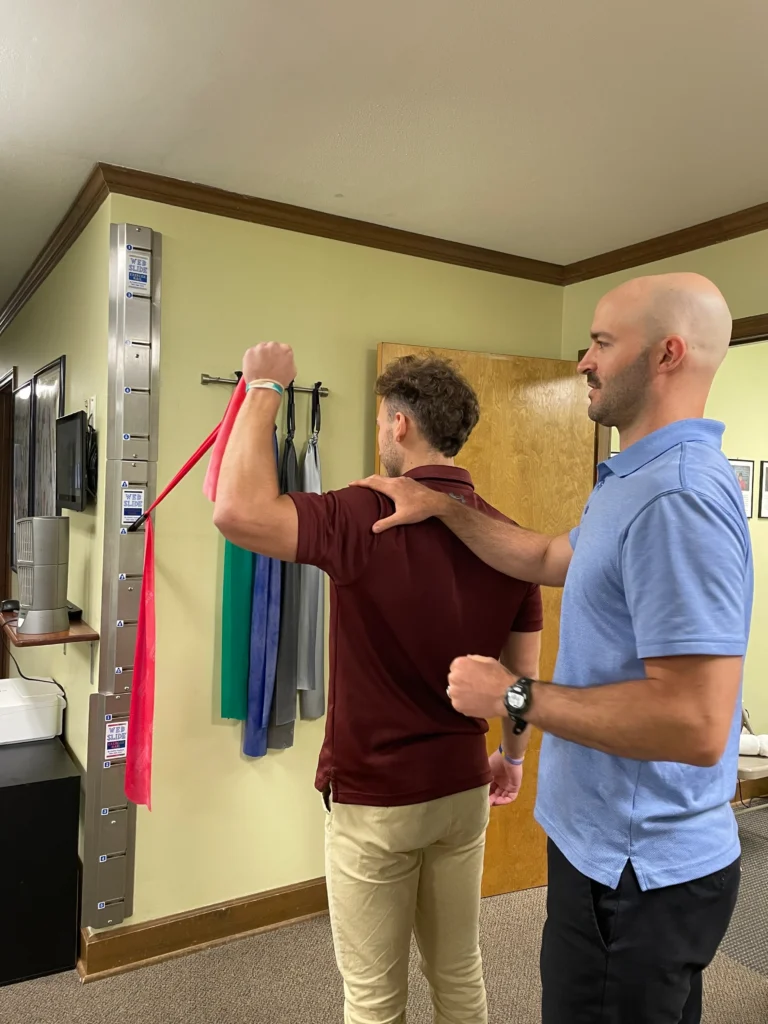
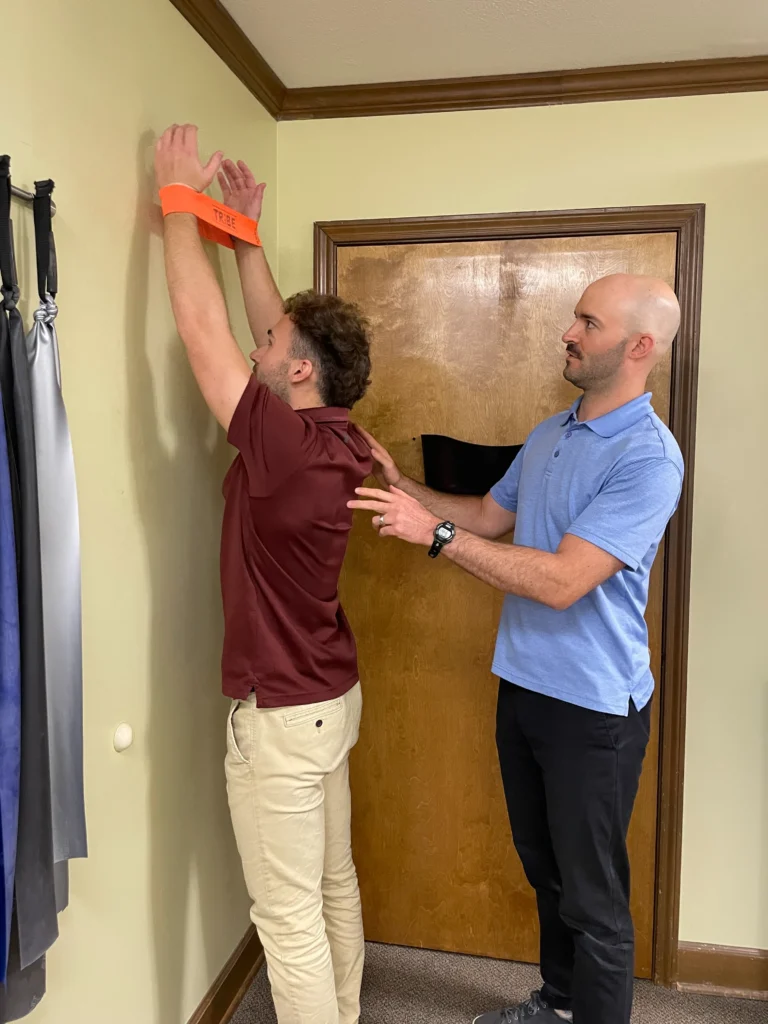
- Personalized Assessment: Every treatment starts with a detailed evaluation to identify the root cause of pain or dysfunction—not just the symptoms.
- Dry Needling: By targeting muscle tension and trigger points, dry needling helps reduce pain, improve mobility, and speed recovery through natural healing.
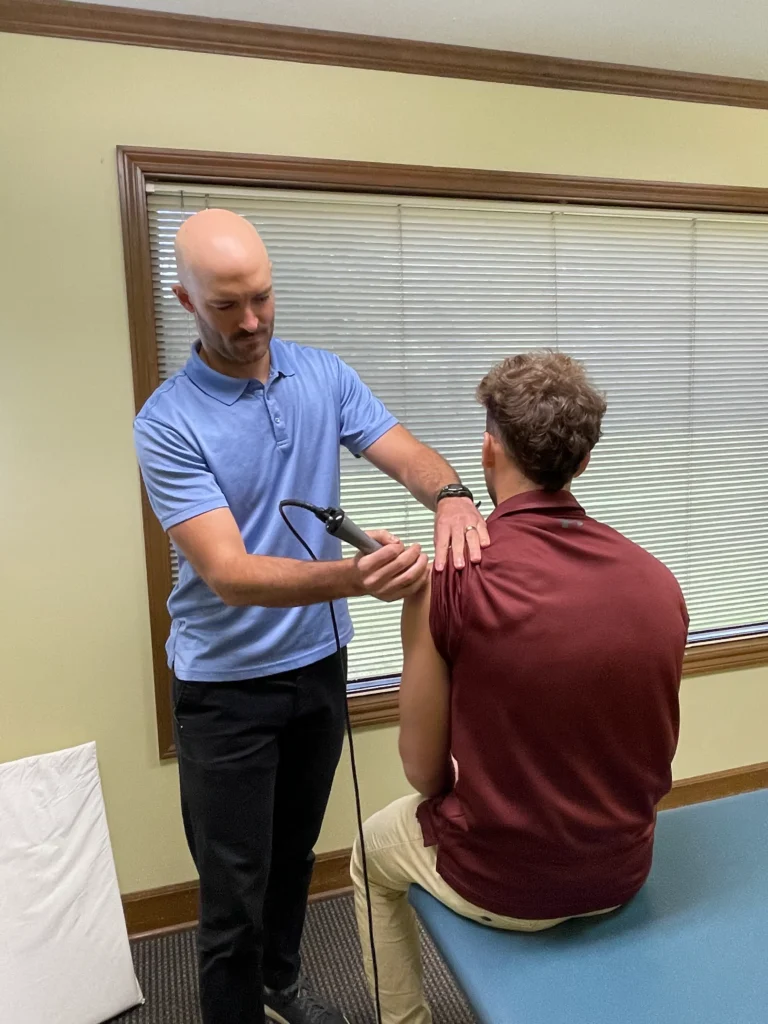
- Hands-On Manual Therapy: Our therapists use skilled manual techniques to mobilize joints, release soft tissue restrictions, and restore healthy movement patterns.
- Targeted Exercise Programs: Each patient receives customized exercises tailored to their specific condition, goals, and progress, ensuring safe and effective rehabilitation.
- Education & Empowerment: We help patients understand their condition and teach proper movement strategies to prevent re-injury and support long-term wellness.
- Integrated Care Approach: We combine evidence-based treatments with a holistic perspective to promote overall health, performance, and resilience.
Can I go to PT without a doctor’s referral?
Yes. This is called Direct Access. You can choose your physical therapy provider to recover after surgery or to address a current condition. Some insurance plans may still require a doctor’s referral; however, our team can guide you through the process when you call.
Call Boulet Physical Therapy and Wellness for Personalized Support
Want to reduce stress on your shoulders throughout the day? Our physical therapists offer personalized ergonomic evaluations and movement strategies to help you feel and function better. Call today to schedule your visit.
Discover the Healing Power of Red Light Therapy
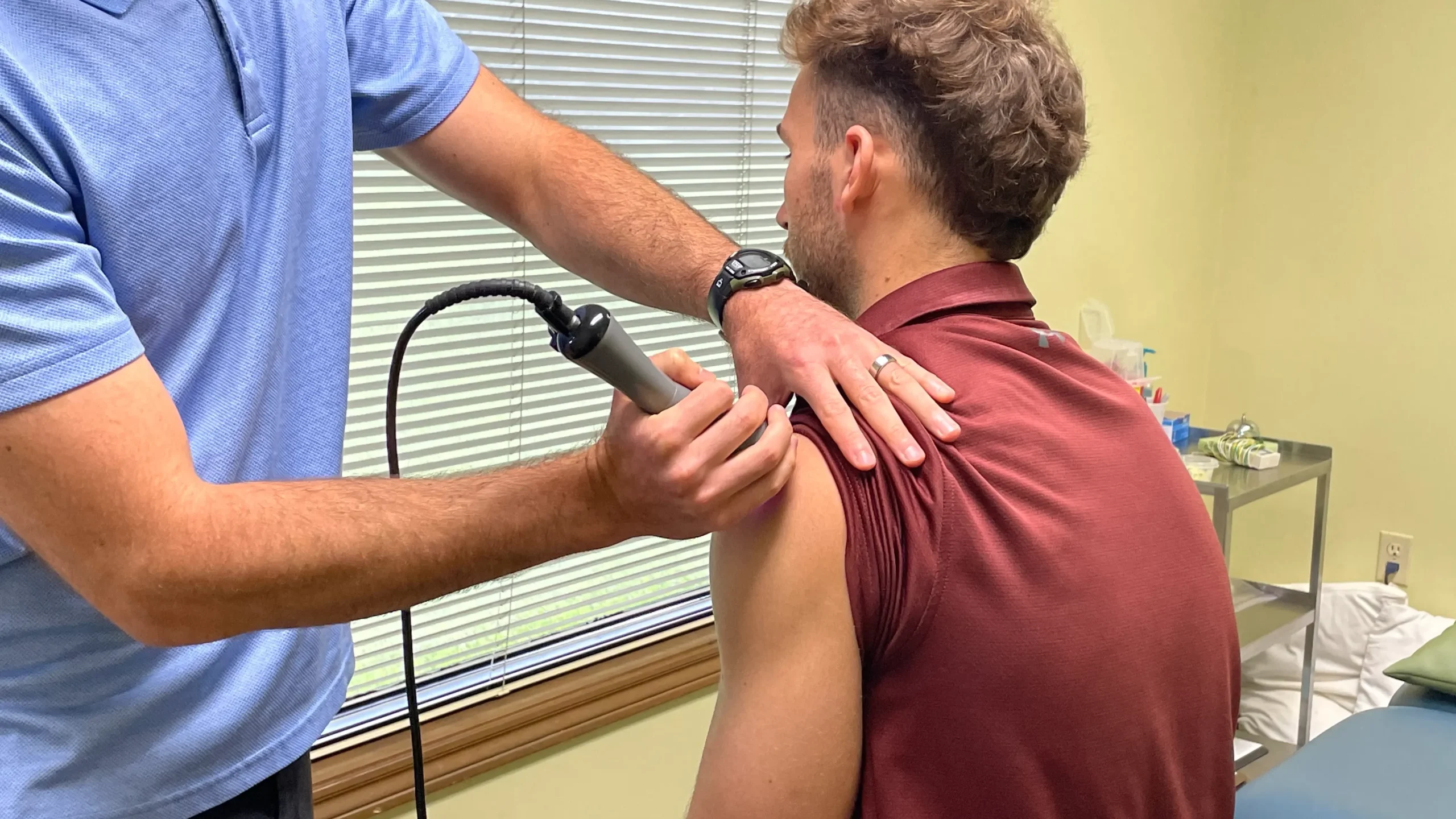
If you are looking for a non-invasive, safe, and effective way to relieve your pain and recover from a condition, laser therapy may be an ideal choice for you. When conducting a laser treatment, photons will be released into the tissues surrounding the affected area to facilitate healing. These photons help in relieving pain, energizing cells, and increasing circulation to the injured area. Call to discuss how our Class IV laser therapy services may benefit you!
Recipe of the Month: Halloween Ghost Pizza

Ingredients:
- 6 slices (4 ounces, 113 grams) sliced Mozzarella cheese
- 1 Tablespoon sliced black olives
- 8 ounces Pizza Dough, room temperature
- 1-½ Tablespoons olive oil
- 1 cup Pizza Sauce
- ¼ cup freshly grated Parmesan cheese
- 1-½ cups shredded Mozzarella cheese
- 1 teaspoon olive oil, for drizzling on cooked pizza
Instructions:
- Preheat oven to 450° F. Brush 1-½ Tablespoons of olive oil in bottom of 12-inch cast-iron skillet; set aside. Place crust in prepared cast-iron skillet; gently push it to the corners of the pan.
- Spread 1 cup of pizza sauce over surface of dough leaving ½-inch border around the edge. Top with ¼ cup of the grated Parmesan cheese and 1-½ cups of the shredded mozzarella cheese. Set skillet over medium heat and cook until the outside edge of the dough is set and the pizza is lightly puffed, about 5 minutes.
- Transfer skillet to preheated oven; bake until the edge of the pizza is golden brown and the cheese is melted, 8 to 10 minutes. Meanwhile cut out ghost shapes from mozzarella. Cut out eyes and mouths of black olive slices, and place them on the ghosts.
- Set aside until the pizza comes out of the oven. Remove pizza from oven; position the ghosts on the hot pizza. Remove pizza from cast-iron skillet. If desired, drizzle with olive oil, and serve.
Sources
- https://pudgefactor.com/halloween-ghost-pizza/#recipe
- https://www.osha.gov/etools/electrical-contractors/supplemental-information/solutions/tasks-arm,
- https://www.ncbi.nlm.nih.gov/pmc/articles/PMC8959976/
- https://www.ncbi.nlm.nih.gov/books/NBK554693/
- https://www.physio-pedia.com/Evidence_Based_Interventions_for_Shoulder_Pain
- https://www.ncbi.nlm.nih.gov/pmc/articles/PMC10086287/