

Physical Therapy Can Help You Resolve Unwanted Knee Pain
Knee pain is a common complaint that affects people of all ages, often hindering their ability to perform everyday activities and enjoy a high quality of life. Whether resulting from injury, arthritis, or overuse, knee pain can be debilitating.
Fortunately, physical therapy at Boulet Physical Therapy and Wellness offers hope for those seeking relief. This article shares the journey of Alex, a 40-year-old marathon runner, who found relief from persistent knee pain through the expert care of our skilled therapists.

Our Patients Get Great Results
“I had no idea why my hip and leg were hurting. And after 1 visit they knew exactly what to do. Within the 2nd day of going to therapy, the pain was almost to “0”. Amazing results in such a short period of time. I was in complete awe of how fast and how accurate they were to diagnose what was going on. The dry needling was a game changer for me. Very fast results in healing and strengthening of the joint and muscle. I would definitely go back to Boulet Physical Therapy if I ever needed physical therapy again. Everyone on the staff was very helpful and polite. Dr. Taylor Fontenot has a great bedside manner. He was very easy to talk to, and he listened to everything before addressing what to do. The technicians taught me exercises that I’m now able to practice on my own. It’s amazing how much the employees know, and they are very calm and patient. I will definitely recommend them in the future to anybody that needs physical therapy. Great Job!” – G.N.
The Onset of Pain
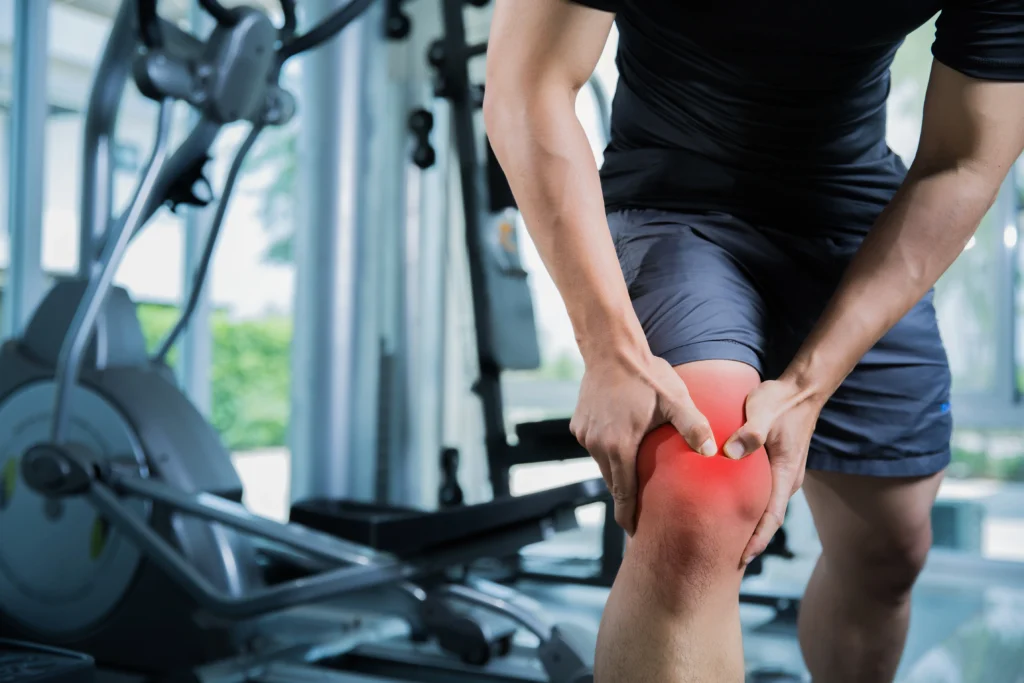
Alex’s passion for running was undeniable. Completing several marathons each year, he was no stranger to the physical demands of long-distance running. Unfortunately, Alex began experiencing sharp pains in his right knee, particularly during and after runs. Initially dismissing it as regular wear and tear, he soon realized the pain was not subsiding but worsening with time.
Seeking Help
After several weeks of persistent pain, Alex knew he needed professional help. His search for a solution led him to Boulet Physical Therapy and Wellness, known for our team of experienced physical therapists specializing in sports injuries. From the moment he walked in, Alex felt a sense of hope. The clinic’s approach was about alleviating pain, understanding its root cause, and preventing future issues.
The Physical Therapy Journey Begins
Alex’s journey began with a comprehensive assessment that included a detailed discussion of his running habits, knee pain history, and a physical examination to assess his knee’s strength, flexibility, and alignment.
Our clinic’s expertise in sports injuries came to the forefront with a detailed analysis of Alex’s running gait. His therapist identified several inefficiencies in his running form contributing to his knee pain.
His therapist determined Alex was dealing with patellofemoral pain syndrome (PFPS), a common issue among runners characterized by pain around the kneecap. His therapist explained that Alex’s pain was likely due to a combination of overuse, improper running technique, and muscular imbalances.
Debunking the Myth That Running Causes Osteoarthritis
Osteoarthritis (OA) is a degenerative joint disease characterized by the breakdown of cartilage in the joints, leading to pain, stiffness, and impaired mobility. While there is a common misconception that running contributes to the development of OA, numerous studies have shown this to be a myth. Running has various health benefits, including improved cardiovascular fitness and weight management, which support joint health. In addition, movement, including running, helps keep the cartilage in the knee healthy.
Research has highlighted other factors that are contributors to the development of knee OA:
- Age: Aging is the most significant risk factor for OA. As individuals age, the cartilage in their joints naturally undergoes wear and tear, making them more susceptible to degeneration.
- Genetics: Genetic factors play a crucial role in determining an individual’s susceptibility to OA. Certain genetic variations have been associated with an increased risk of developing OA in various joints, including the knee.
- Previous joint injuries: Previous knee injuries, such as ligament or meniscus tears, can predispose individuals to OA later in life. The trauma from these injuries can accelerate the degenerative process in the affected joint.
- Obesity: Excess body weight places additional stress on the knee joints, leading to accelerated cartilage breakdown and an increased risk of developing OA. Maintaining a healthy weight through regular exercise and a balanced diet can help reduce the risk of OA.
- Joint misalignment or instability: Abnormalities in joint structure or function, such as malalignment or instability, can lead to uneven distribution of forces within the knee joint, contributing to cartilage degeneration and OA development.
The bottom line is that running does not cause knee OA. At Boulet Physical Therapy and Wellness, our therapists understand the risk factors associated with knee arthritis and will provide programs to preserve your joint health and reduce the burden of OA so you can keep running!
Tailored Treatment Plan
Understanding the specifics of Alex’s condition, the therapist devised a personalized treatment plan. The multifaceted plan addressed Alex’s knee pain symptoms and underlying causes.
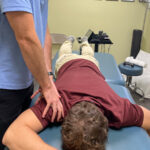
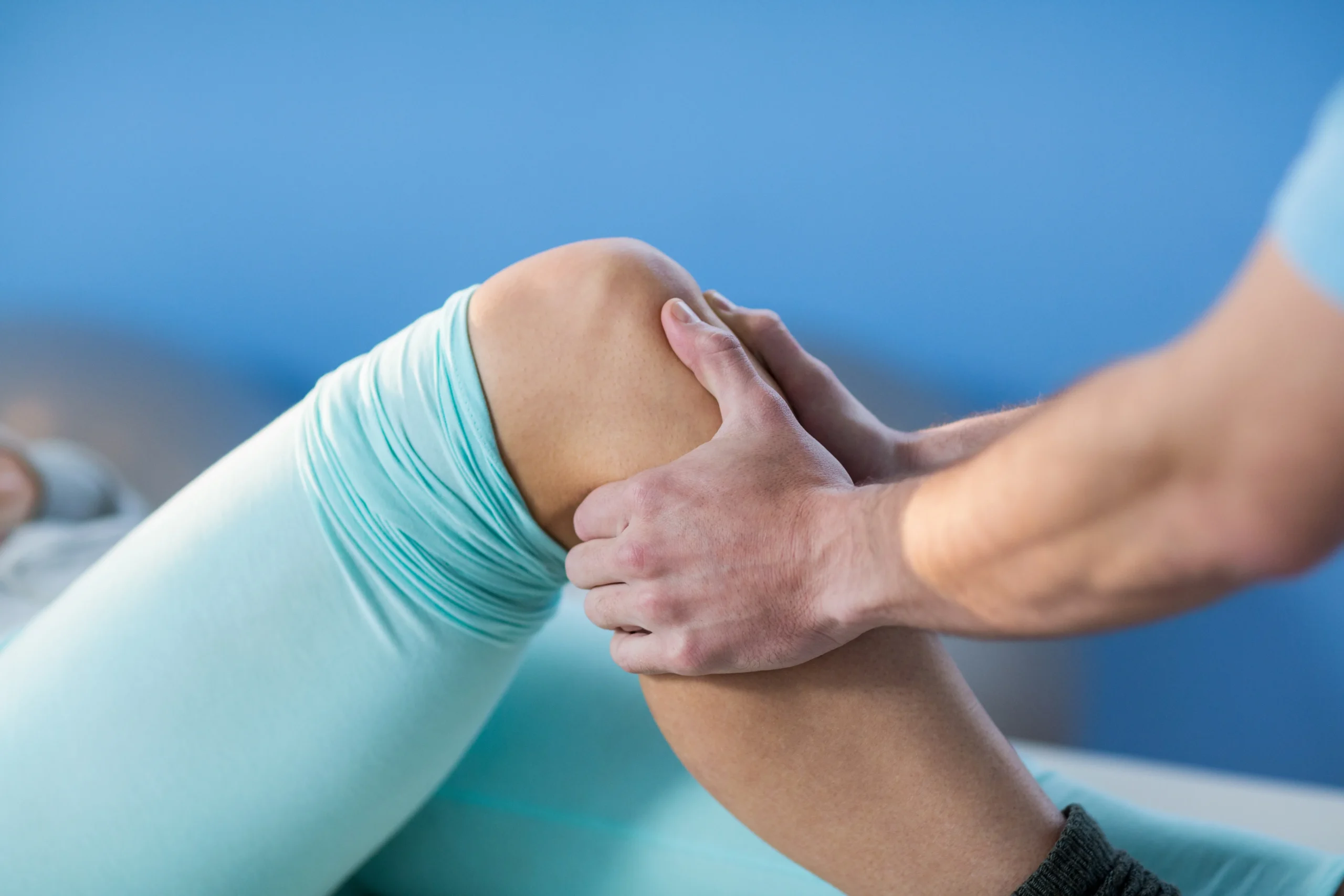
- Manual Therapy: Alex’s treatment started with manual therapy. His therapists used hands-on techniques to free up restrictions and tension in the soft tissues around his knee. This approach helped reduce Alex’s pain and increase his range of motion, setting a solid foundation for further therapeutic interventions.
- Strengthening Exercises: Recognizing the importance of muscular support for knee stability, Alex was guided through a series of strengthening exercises focused on building up the muscles around his knee, particularly the quadriceps and hamstrings. These exercises were designed to absorb shock more effectively, reduce the burden on his knee during runs, and prevent future injuries.
- Motor Control Exercises: To address any dysfunctional movement patterns contributing to Alex’s knee pain, the therapists introduced motor control exercises. These exercises aimed to correct his movement patterns, ensuring that he adopted more efficient movement strategies during running and daily activities, thereby reducing strain on his knee.
- Education and Preventive Strategies: Beyond immediate treatment, education played a vital role in Alex’s therapy. He learned the importance of proper footwear, adequate warm-up and cool-down routines, and strategies to gradually increase running distances without overloading the knees.
The Road to Recovery
Alex’s dedication to physical therapy paid off as he noticed a significant reduction in knee pain, improved running efficiency, and a newfound awareness of protecting his knees from injury. The holistic approach at Boulet Physical Therapy and Wellness addressed Alex’s pain and equipped him with the knowledge and tools to maintain knee health in the long run. But Alex’s journey was about more than just overcoming knee pain. It was a transformative experience that reshaped his relationship with running. He emerged from physical therapy as a runner and an informed athlete, mindful of his body’s signals and the importance of balance in training.
Conclusion: A Testament to the Power of Physical Therapy
Alex’s story is a testament to the effectiveness of physical therapy in resolving unwanted knee pain. At Boulet Physical Therapy and Wellness, the combination of expert assessment, personalized treatment, and a commitment to patient education proved to be a winning strategy. Alex’s journey offers hope and inspiration for anyone struggling with knee pain. If you’re dealing with knee pain, call our team and schedule a consultation today!
How to Make the Most of Fall Fitness
We’re finally starting to get some cooler weather, which is one reason why fall brings so many great opportunities to stay active! Whether you’re exploring a local hiking trail, playing a game of touch football, or just enjoying a brisk walk around your neighborhood, it’s important to keep your body ready and resilient. Today, the Boulet Physical Therapy and Wellness team wants to share some of our favorite fitness tips to help you stay mobile, reduce pain, and prevent injury this season.

Three Fall Fitness Tips from Our Physical Therapists
1. Stay Loose and Mobile
Cooler weather can tighten muscles and restrict joint motion, so it’s more important than ever to devote some time to warming up before engaging in physical activity, including yard work. The best warmups utilize dynamic stretches like arm circles or leg swings combined with 5-10 minutes of brisk walking. This increases circulation and prepares muscles for activity.
2. Build Strength That Supports Daily Movement
Strong muscles protect joints and improve balance all year. Try these simple exercises to build strength without a gym or special equipment:
- Bodyweight squats are great for building leg and hip strength, especially for hikers navigating uneven terrain.
- Wall push-ups help strengthen the upper body without pressure on the wrists or shoulders.
- Planks are a great all-around exercise for building strength and stability in the core, making it easier to move throughout the day.
3. Take Your Workout Outside
After our sweltering summers, fall’s crisp air and (relatively) lower humidity are ideal for getting active outdoors. Try these ideas to build strength and stamina while enjoying the season:
- Trail Walks: Boost heart health, leg strength, and mental clarity by spending time in nature.
- Park HIIT Circuit: Use benches for step-ups or incline push-ups. Add in jumping jacks or high knees for cardio.
- Interval Walking: Alternate between a moderate and brisk pace (or jog) to build endurance.
- Outdoor Yoga: Yoga is a wonderful way to improve mobility and ground yourself in the changing season.
Need Some Extra Guidance? Reach Out to Boulet Physical Therapy and Wellness
This is an excellent time of year to get outside and get active. If you need help getting started or just some guidance on resolving pain or injury, set up an initial appointment with our team today.
Discover the Healing Power of Laser Therapy
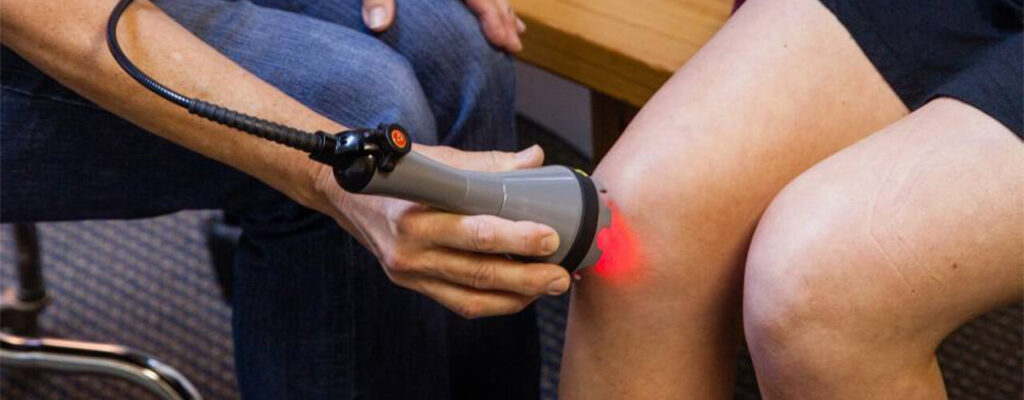
Looking for a non-invasive, safe, and effective way to relieve pain and speed up recovery? Class IV Laser Therapy at Boulet Physical Therapy and Wellness in Lafayette, LA may be the solution you’ve been searching for. This advanced treatment delivers healing photons into the tissues surrounding the affected area—helping to reduce pain, boost circulation, and energize cells for faster healing. Interested in learning more? Contact us today to schedule a consultation and find out how our laser therapy services can support your recovery. Available as a cash-pay service!
Recipe of the Month: Sweet & Sour Tofu

Ingredients:
- 14 oz. extra-firm tofu
- 1 small red onion
- 1 green bell pepper
- 1 red bell pepper
- 1 (1″) piece ginger, peeled
- 2 garlic cloves, peeled
- 1/2 cup canned pineapple chunks, plus 1/3 cup pineapple juice, divided
- 1/3 cup low-sodium vegetable broth
- 3 Tbsp. unseasoned rice vinegar
- 2 Tbsp. reduced-sodium soy sauce or tamari
- 1 Tbsp. ketchup
- 1 Tbsp. light brown sugar
- 1 Tbsp. plus 1/3 cup cornstarch, divided
- 4 Tbsp. neutral oil, divided
- Kosher salt
- Steamed white rice, for serving
- Sesame seeds, for serving (optional)
Instructions:
- Place 3 layers of paper towels or a clean kitchen towel on a plate. Place tofu on towels and cover with another 3 layers of towels or another clean kitchen towel. Place a heavy can or skillet on top of tofu to press moisture out, pouring off excess water and replacing towels as they get soaked, 30 to 45 minutes (you can do this with a tofu press if you have one).
- Meanwhile, arrange a rack in center of oven; preheat to 425°. Cut onion and bell peppers into 1″ pieces. Into a medium bowl or large measuring cup, grate ginger and garlic. Add pineapple juice, broth, vinegar, soy sauce, ketchup, brown sugar, and 1 Tbsp. cornstarch and stir to combine.
- Break or cut tofu into rough 1″ pieces or cubes and transfer to a large bowl; season with 1 tsp. salt. Drizzle with 1 Tbsp. oil and gently toss tofu to coat. Sprinkle with remaining 1/3 cup cornstarch and gently toss until tofu is coated. Arrange on a parchment-lined baking sheet and drizzle with 2 Tbsp. oil.
- Bake tofu, turning halfway through, until light brown and crisp, 25 to 30 minutes.
- When tofu has about 12 minutes remaining, in a large skillet or wok over medium-high heat, heat remaining 1 Tbsp. oil. Add onion and bell peppers; season with salt, then toss to coat vegetables with oil. Cook, stirring frequently, until vegetables start to soften and blister on the surface, 4 to 5 minutes. Transfer vegetables to a plate.
- Reduce heat to medium. Whisk sauce to reincorporate cornstarch and pour into skillet. Bring to a simmer and cook, stirring occasionally, until slightly thickened, about 4 minutes. Add vegetables, tofu, and pineapple chunks to skillet and toss to coat in sauce.
- Divide rice among bowls. Spoon tofu mixture over. Top with sesame seeds (if using).
Sources
- https://www.ncbi.nlm.nih.gov/pmc/articles/PMC7661565/,
- https://pubmed.ncbi.nlm.nih.gov/32161824/,
- https://www.ncbi.nlm.nih.gov/pmc/articles/PMC6829001/
- https://www.delish.com/cooking/recipe-ideas/a63349745/sweet-and-sour-tofu-recipe/
- https://www.ncbi.nlm.nih.gov/pmc/articles/PMC9983113/
- https://pubmed.ncbi.nlm.nih.gov/27519678/