

Physical Therapist-Approved Tips for Preventing Injuries
When was the last time you suffered an injury? Did you feel like your whole life had to come to a standstill while you worked through your recovery? While physical therapy at Boulet Physical Therapy is a great way to rehabilitate after an injury, we know that preventing an injury is even better — and our therapists are here to show you how!
But first, let’s all get on the same page about what an injury is. For many, “injury” conjures up major traumas: a sprained ankle or a broken bone. But minor injuries can be impactful, too.
For example, repetitive stress injuries are often the culprits behind those mysterious aches and pains you might experience from time to time. While you might be tempted to pass them off as just a nuisance, they’re not something you have to live with. But more than that, because they weaken your muscles and can throw off your biomechanics, they can set you up for a more serious injury.
Your best bet is to work to prevent injuries as much as possible. Below, our physical therapists share some of their favorite tips for avoiding an injury — including some of the ways we can help!


Our Patients Get Great Results
“Since I first started playing Cajun music, I never learned proper posture and from this, had bad shoulder pains from time to time over the past 9 years. I was finally able to find a physical therapist and heard great things about Boulet Physical Therapy. When I went, the staff were extremely friendly and helpful. Kyle, my PT, was so helpful and over the course of my time there, my shoulder is back to normal like I never had the pain before. I 100% recommend this practice to anyone, especially musicians! Thank you so much Boulet Physical Therapy and Wellness!” – Cameron

Seven Ways to Prevent Injuries Now
- Know Your Limits. While it’s great to be enthusiastic about a new hobby or workout program, it’s also important not to do too much too soon.
- Sleep. Getting a full night’s sleep is one of the best things you can do to keep yourself free from injury, so practice good sleep hygiene (such as avoiding using screens before bed) and aim for 7-9 hours a night.
- Hydrate. Like sleep, staying hydrated is crucial to a healthy, injury-free lifestyle. While needs vary from person to person, 4-6 glasses a day is a good ballpark.
- Eat Well. Make sure you’re eating properly for your needs, especially if you live an active lifestyle. Opt for nutrient-rich foods like fruits and vegetables, whole grains, and lean meats.
- Warm Up. Don’t skip a good 10-minute warmup before engaging in physical activity–and we don’t just mean workouts, either. Perform a mobility routine before engaging in physically demanding jobs and recreation, whether you’re clocking in at a construction site or spending the afternoon weeding your garden.
- Get Strong. Incorporate strength training into your workout routines to help keep your body aligned and protect your bones and joints when you get moving.
- Use the Right Equipment. Using improper equipment can lead to ergonomic strains and outright injuries. If you’re riding a bike, wear a helmet. If you’re doing yard work, choose tools that fit your hands and body.
Take Injury Prevention a Step Further With Physical Therapy
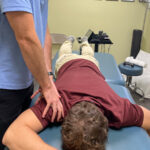
Physical therapy isn’t just about recovering from injuries. In fact, injury prevention is a key component of our rehabilitation program. But did you know you can work with us to prevent an injury before it happens?
The Boulet physical therapists can offer their expertise to help you maximize those seven injury prevention tips above. Here’s a sample of all that we can do:
- Find the Right Workouts for You: Want to move more but aren’t sure how to get started? We’ll help you develop a fitness plan that addresses your abilities and interests, including guidance on starting slow and gradually building in intensity. We’ll also show you how to use the proper form to avoid injuries.
- Comprehensive Prevention Screens: We can run you through several movement screens to help identify areas of weakness, impairment, or imbalance that might lead to injuries down the line. We’ll evaluate your body’s biomechanics as you walk, run, or perform other day-to-day movements–and then provide you with exercises to correct these issues.
- Reduce Your Fall Risk: Falls are a significant source of injury, especially among older adults or people with certain neuromuscular conditions. We can develop a personalized fall prevention plan that will help improve your balance and walking patterns so you can move with confidence.
Don’t Wait Until You’re Injured to Give Us a Call!
If you think you might be at a high risk of suffering an injury, request an appointment with Boulet Physical Therapy. Whether you’re planning an adventure vacation, starting a new physically demanding job, or simply struggling with day-to-day mobility, our therapists are here to help. Call today to get started!
Smart Sun Safety and Hydration Tips
June’s warm weather is perfect for outdoor activities, offering lots of opportunities to boost your physical health. However, navigating the challenges of sun exposure and hydration is crucial. Here’s how you can enjoy the outdoors while taking care of your health:
- Smart Sun Practices: Choose early morning or late afternoon for outdoor activities to avoid peak sun hours. Apply sunscreen, wear a wide-brimmed hat, and use sunglasses to protect against UV rays.
- Stay Hydrated: With higher temperatures, dehydration is a risk. Drink water consistently throughout the day, and always carry a water bottle during outdoor activities.
- Dress Appropriately: Wear lightweight, breathable clothing to keep cool and comfortable.
At Boulet Physical Therapy, we encourage you to enjoy yourself this June but always prioritize your health and safety. Use these tips to ensure a fun and healthy start to your summer!
Choosing the Right Exercises for Your Warm-Up

One important way to prevent injuries is by warming up before engaging in any physical activity. But what exactly does that mean? What exactly should you do as your warm-up? The idea behind warming up is pretty simple: it prepares your body for more intense physical activity. You move just enough to increase your heart rate and blood flow, which provides additional oxygen to your muscles so they’re primed to start working. You also guide your joints and muscles through their range of motion so they can accommodate more intense movements.
A good warm-up should consist of light aerobic exercises combined with dynamic stretches that mirror whatever activity you’re about to perform. One easy trick is to perform less intense versions of later movements:
- If you’re lifting weights, perform the same lifts but with much lower weights (or no weight at all)
- If you’re going for a run, try a light jog or a fast-paced walk
- If you’re playing pickleball, do some side steps around the court combined with some arm swings
However, more general dynamic stretches work well, too. Here are some movements that can work well as warm-ups:
- Walking lunges and rotating right and left while lunging
- Walking butt kicks and straight leg kicks (Frankensteins)
- Deep squats with overhead reaching
- Simple Yoga flows (such as sun salutations)
Call Us for More Warm-Up Tips
Our physical therapists can show you tailored warm-up routines for all the physical activities in your life, from workouts to gardening to job-specific tasks. Call us to schedule an appointment today!
Not Sure if Physical Therapy is Right for You?
Ask about our Discovery Screen—a free 10–15 minute consultation with one of our physical therapists. We’ll assess your condition and help determine if Physical Therapy is the right fit. If not, we’ll guide you in the right direction and connect you with someone who can help.